A collaborative regional recovery planning process following the 2020 Almeda and South Obenchain wildfires.
Rogue Reimagined identified 21 Recovery Projects intended to support continued recovery and community resilience. The projects were jointly managed by community organizations and local governments, with identified project leads or conveners.
The Almeda and South Obenchain wildfires of 2020 forever changed the Rogue Valley. A region rich in natural beauty and community spirit was forced to build a better future that is safer, stronger, and more resilient.
This plan represents the voices and aspirations of neighbors and state and local partners, who came together to highlight remaining needs and identify projects to increase recovery momentum and improve the future of our recovery with guidelines for rebuilding and reimagining our community.
The Rogue Reimagined Plan illustrated the progress of our recovery, providing information about the tireless efforts undertaken and, most importantly, outlining projects that can advance us through our post-fire recovery while addressing the remaining needs of our community. These projects create the blueprint for a more resilient community.
The 21 Recovery Projects identified are jointly managed by community organizations and local governments, each with an identified project lead or convener.
Experience from other disaster-affected communities underscores the potential for initiatives like Rogue Reimagined to significantly improve recovery outcomes for survivors and the entire community
The Planning Process
In the aftermath of the tragedy, the three impacted jurisdictions (City of Talent, City of Phoenix, and Jackson County) participated with other agencies across the county to develop a Regional Long-Term Recovery Plan (R-LTRP). The plan is intended to unite recovery resources with remaining unmet needs following the 2020 Almeda and South Obenchain Fires and help impacted communities build resiliency against future disasters through actionable steps for recovery.
Following significant disaster events, the Federal Emergency Management Agency (FEMA) uses its long-term community recovery assessment tool to analyze needs and determine short- and long-term goals for recovery, rebuilding, and resilience. This document follows FEMA’s framework for recovery, guided by the community’s vision for a reimagined Rogue Valley.
This R-LTRP is unique because it is multi-jurisdictional. The Almeda and South Obenchain Fires spanned a staggering distance through Jackson County and numbered amongst the most destructive wildfires in Oregon’s history. This R-LTRP was designed to accommodate these complexities and nuances, uniting all impacted jurisdictions in pursuit of recovery.
Goals of the Regional Long-Term Recovery Plan
Measure the progress of the recovery
Identify projects to sustain the recovery progress and address unmet needs
Consolidate findings into a user-friendly document to share with the public
Educate residents and stakeholders about these processes
Amplify grant writing success
Projects will be the responsibility of both community organizations and local governments; additionally, they will identify a project lead and a defined budget.
Partners
Jackson County Community Long-Term Recovery Group
AARP Oregon
City of Phoenix
City of Shady Cove
City of Talent
Coalición Fortaleza
Firebrand Resiliency Collective
Housing Authority of Jackson County
Humane Leadership Institute
Jackson County
Oregon Department of Emergency Management
Oregon Housing and Community Services
Phoenix Talent School District
Rogue Action Center
Rogue Food Unites
Rogue Valley Community Organizations Active in Disaster
Rogue Valley Council of Governments, Senior and Disability Services
Rogue Valley Transportation District
SOREDI
Talent Business Alliance
United Way of Jackson County
Funders
American Red Cross
Business Oregon
Community Engagement Archive
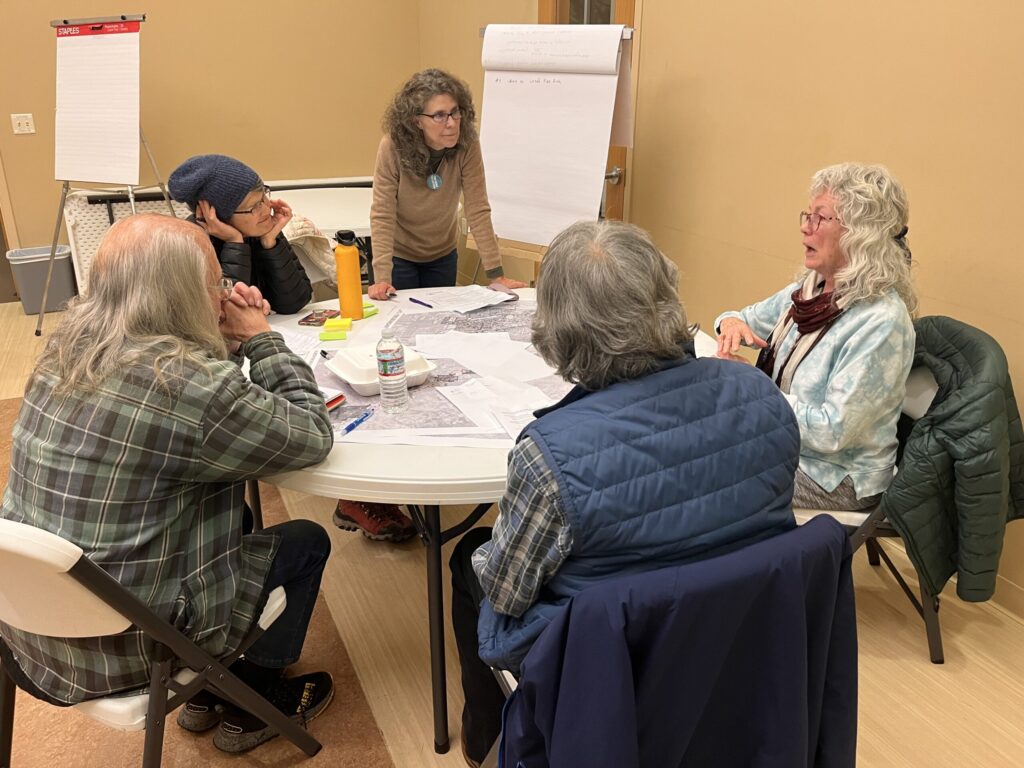
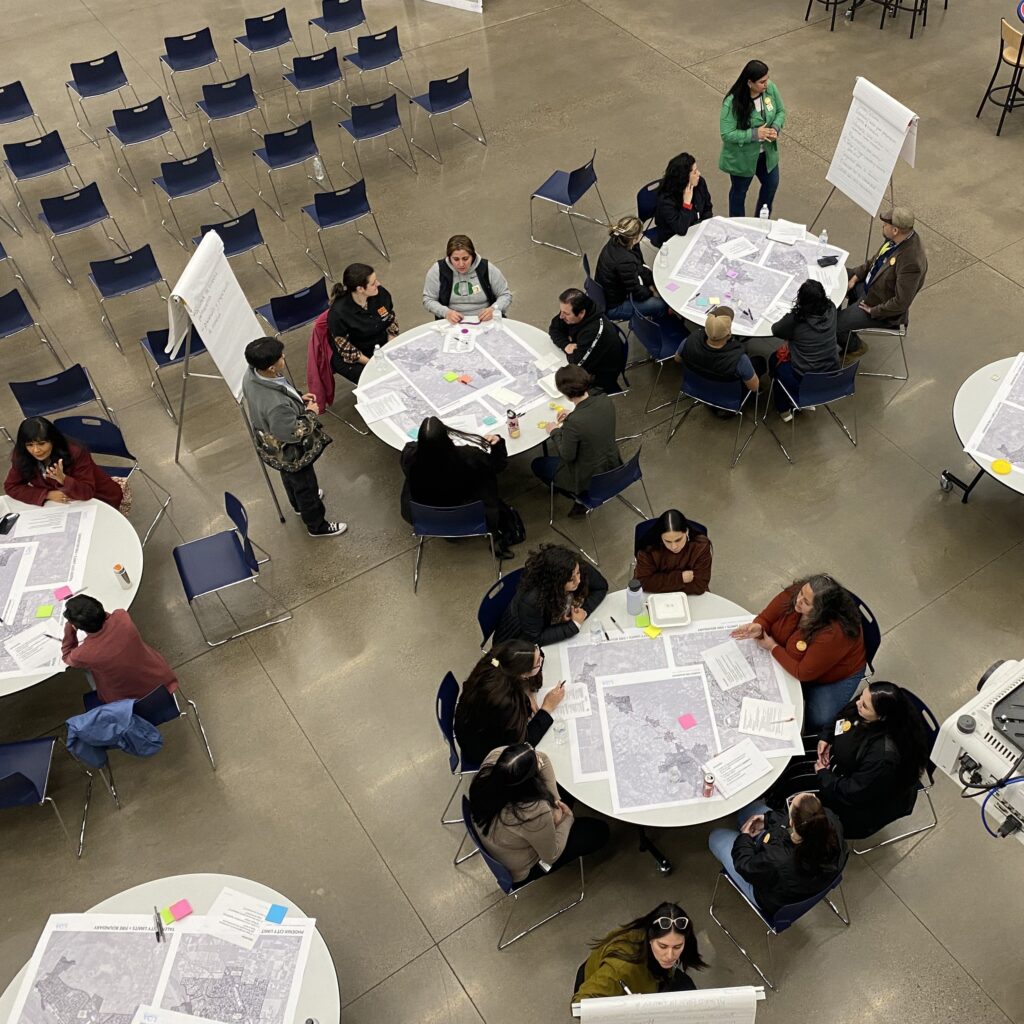
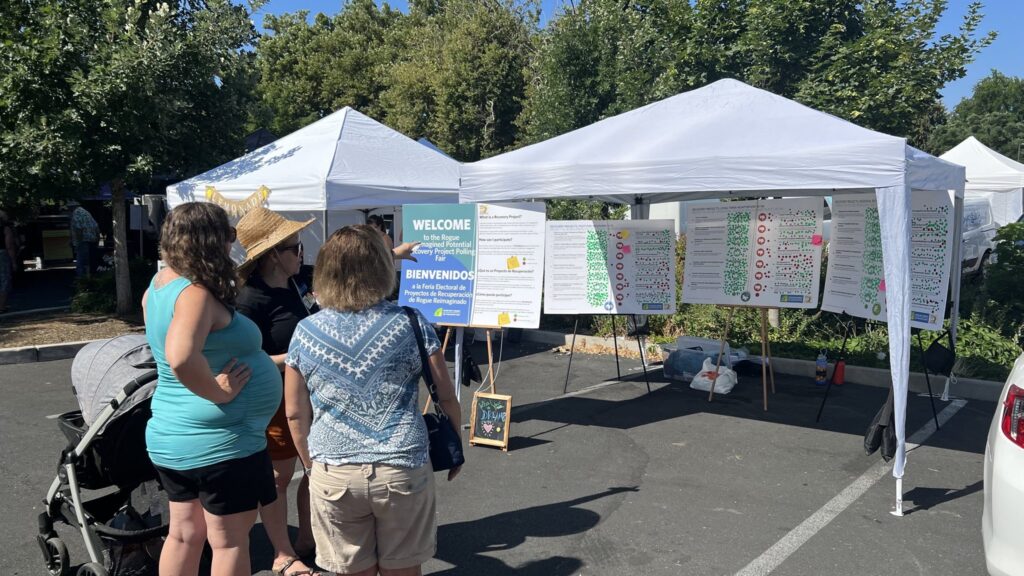
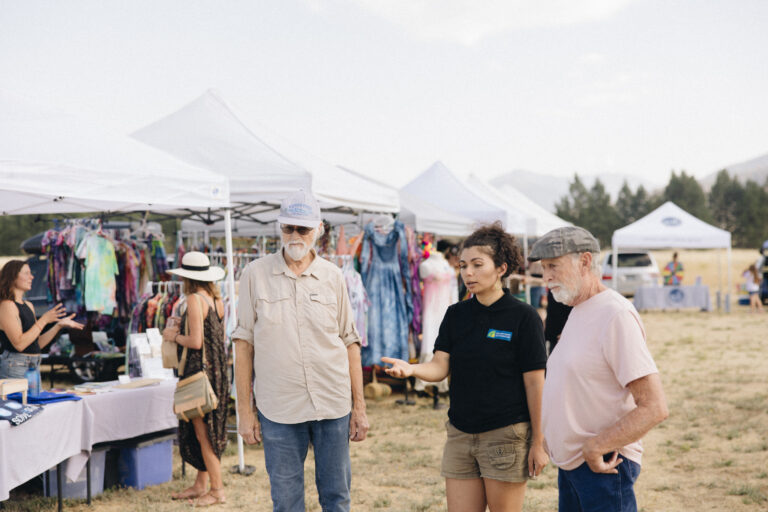
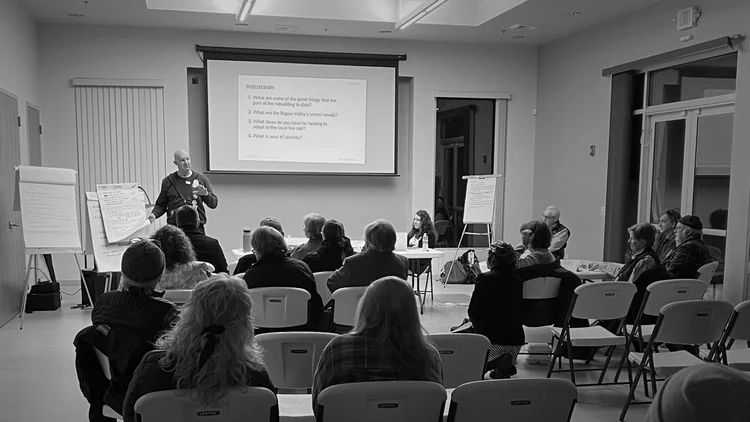
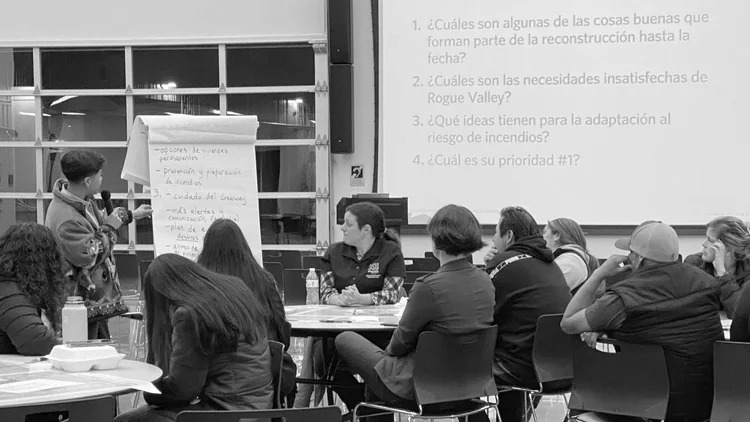
Community engagement is a foundational step in any disaster recovery process. When reimagining the Rogue Valley in the aftermath of the fires, it was important to bring stakeholders together, create partnerships with the public through feedback loops, and establish agreed-upon expectations for the future. The twenty-one Recovery Projects were derived directly from the highest-ranked and most often mentioned comments from residents and stakeholders.
These potential Recovery Projects were then reviewed and approved through the Preference Polling process. A variety of engagement tools and methodologies were launched at different stages throughout the creation of this R-LTRP in order to widen the engagement reach, establish feedback loops as the plan progressed, and accommodate multiple potential barriers for engagement (including, but not limited to, technology barriers, time barriers, language barriers, etc.). See the Community Engagement Reports Below:



 Results in
  Results in